Short answer: Most adults finish Invisalign in about 12 to 18 months. Simple cases such as minor spacing can wrap up in 6 to 9 months, while complex bite corrections can take two years or more. Your own timeline depends on how far your teeth need to move, how many hours a day you wear your aligners, and whether you need a refinement round at the end. Here is how the process unfolds, what slows it down, and how to finish on schedule.
How Long Does Invisalign Usually Take?
Invisalign straightens teeth with a series of clear, custom-made aligners. Each set is worn for one to two weeks, and every new aligner moves your teeth a small, planned amount. Because the plan is built around your teeth specifically, there is no single answer, but the ranges below are a useful guide.
- Mild cases (6 to 9 months): minor crowding, small gaps, or a tooth that has drifted after old braces.
- Moderate cases (12 to 18 months): noticeable crowding, wider spacing, or a bite that needs some adjustment.
- Complex cases (18 to 24 months or more): significant crowding, rotated teeth, or bite problems that need elastics or extra movement.
These are general ranges, not promises. A scan of your teeth and a bite evaluation give a far more reliable estimate, and a good treatment plan will show you the predicted number of aligners before you commit. If you are weighing Invisalign in Christiansburg, that first visit is where you get your own timeline instead of a guess.
The Invisalign Timeline, Stage by Stage
- Consultation and scan. Your dentist checks your teeth, gums, and bite, takes a digital scan, and confirms whether Invisalign is a good fit for your goals.
- Treatment plan. The scan is used to map how each tooth will move, step by step. You review the plan, the expected number of aligners, and the estimated finish date.
- Aligners arrive. Custom aligners are made for your teeth, which usually takes a couple of weeks. Small tooth-colored attachments may be placed on some teeth to help them grip and move.
- Active treatment. You switch to a new aligner every one to two weeks and wear each set about 20 to 22 hours a day. Short check-in visits, often every 6 to 10 weeks, confirm that your teeth are tracking the plan.
- Refinement, if needed. If a few teeth have not moved exactly as predicted, a short extra set of aligners fine-tunes the result.
- Retention. Once your teeth are in position, retainers hold them there. This stage never fully ends, which is why it belongs in the timeline from the start.
What Makes Invisalign Take Longer?
Most delays come from a handful of predictable causes. Knowing them ahead of time makes them easy to avoid.
- Not wearing the aligners enough. Aligners only move teeth while they are in your mouth. Wearing them 12 hours instead of 20 or more slows every stage.
- Skipping ahead or falling behind. Changing aligners early does not speed things up, because teeth need time to respond. Waiting too long between changes pushes the finish date back.
- Lost or broken aligners. A missing aligner can pause progress until a replacement arrives, so keep the case with you and never wrap aligners in a napkin.
- Bite corrections. Cases that need elastics or larger movements simply have more distance to cover.
- Dental issues that need care first. Cavities and gum inflammation should be treated before or during alignment. Teeth move best when the gums and bone around them are healthy.
- Previously moved teeth. Teeth that have relapsed after old braces can be stubborn, and some need extra refinement.
How to Finish Invisalign on Time
You have more control over the timeline than you might think. These habits make the biggest difference.
- Wear your aligners 20 to 22 hours a day and take them out only to eat, drink anything other than water, and clean them.
- Brush your teeth before putting the aligners back in so food is not trapped against the enamel.
- Switch to your next aligner on the day your dentist advises, not earlier or later.
- Use the small chewable foam cylinders if offered, which help each aligner seat fully on your teeth.
- Keep every check-in visit, even when everything feels fine.
- Wear elastics exactly as instructed if your plan includes them.
- Call the office right away if an aligner cracks or goes missing instead of waiting for your next appointment.
What Is an Invisalign Refinement, and Is It Normal?
A refinement is a short additional set of aligners made after your original series. It is common and not a sign that something went wrong. Computer plans predict movement very well, but real teeth are living tissue, and a few may lag behind the plan, especially rotated teeth or teeth with a long way to travel. A refinement round usually adds a few months at most and often makes the difference between a good result and a great one. Ask your dentist at the start whether refinements are included in your treatment plan so there are no surprises later.
Why Retainers Are Part of the Timeline
Your teeth are held in place by ligaments and bone that need time to settle, and without a retainer they tend to drift back toward their old positions. Most patients wear retainers full time for the first few months after aligners and then switch to nights only. Many dentists recommend wearing a retainer at night for the long term. Removable clear retainers are the most common choice, and a thin fixed wire behind the front teeth is another option for some cases.
Once your aligners come off, it is also a good moment to think about the final touches on your smile. Many patients follow Invisalign with professional teeth whitening, because straighter teeth reflect light more evenly and brightening them completes the result.
Is Invisalign Faster Than Braces?
For mild and moderate cases, the timelines are usually similar, so choosing between them rarely comes down to speed. Complex bite corrections can sometimes move faster with fixed braces, since the brackets stay on around the clock and cannot be left out. Invisalign's advantages are appearance, comfort, and the freedom to eat without food restrictions. Our guide to Invisalign vs traditional braces walks through the full comparison so you can decide with real information.
Invisalign Treatment in Christiansburg, VA
If you are looking for a dentist in Christiansburg, Opulent Dental offers Invisalign clear aligners with Dr. Priyanka Dutt, DDS, a general dentist who leads Invisalign cases at our office. We start with a free consultation, scan your teeth, and give you a realistic estimate of your timeline before you decide anything. Patients also visit us from nearby communities, including those searching for a dentist in Blacksburg. To book, call (540) 382-4441 or stop by our office at 115 Akers Farm Rd NE Ste 3, Christiansburg, VA 24073.
Frequently Asked Questions
Can Invisalign really work in 6 months?
For mild cases, such as small gaps or slight crowding, yes. Treatments with a limited number of aligners can finish in about 6 to 9 months, but only your dentist can tell you whether your teeth qualify after a scan.
How often do I change my Invisalign aligners?
Most patients switch to a new aligner every one to two weeks, depending on the plan. Your dentist will give you an exact schedule, and following it closely keeps your treatment on track.
What happens if I stop wearing my aligners for a few days?
Teeth can start to shift back, and your next aligner may feel tight or fail to fit. Go back to your last comfortable aligner, wear it full time, and call the office so your dentist can tell you how to get back on schedule.
How long do I need to wear a retainer after Invisalign?
Plan on full-time wear for the first few months, then nights only. Many dentists recommend nighttime retainer wear for the long term to protect your results.
Is Invisalign slower than traditional braces?
Not for most mild to moderate cases, where the timelines are similar. Complex bite problems can sometimes be corrected faster with braces, which is why an evaluation matters before you choose.
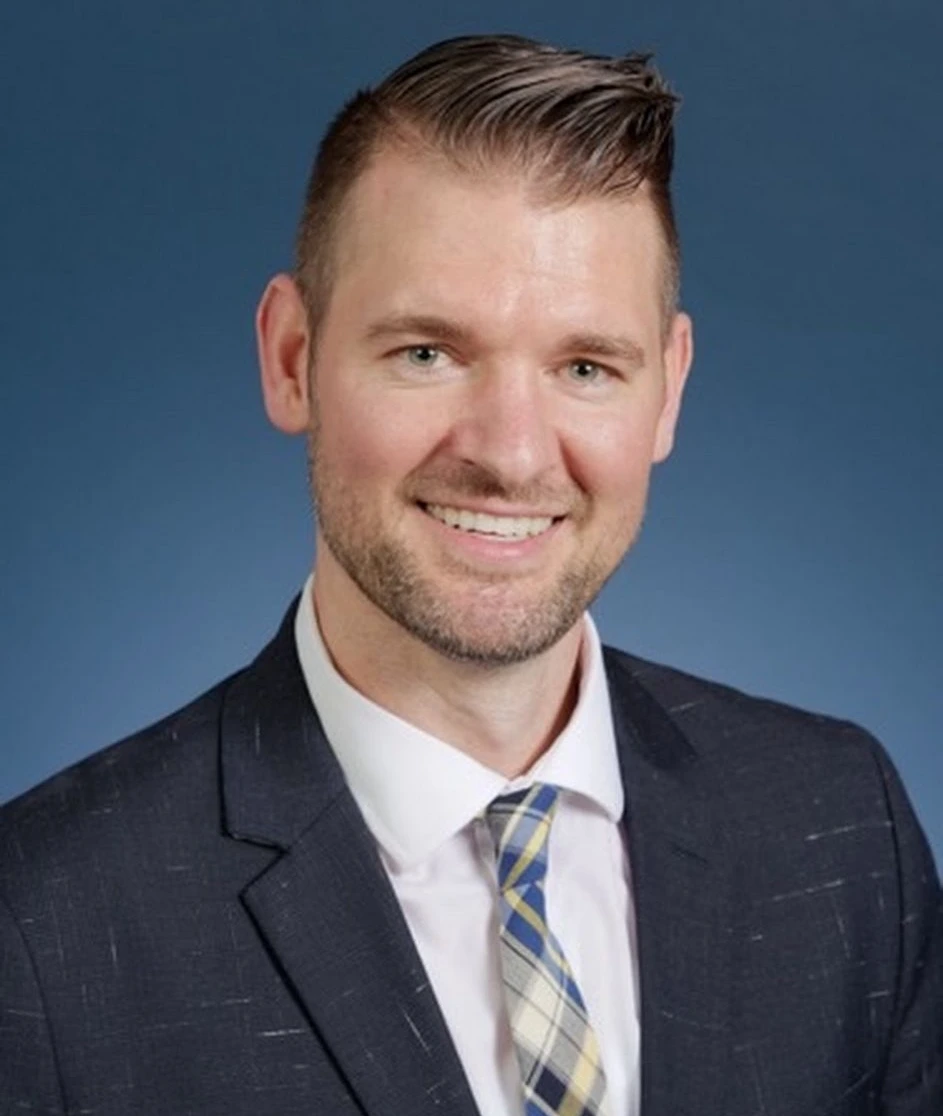
Medically Reviewed By
Dr. George is a general dentist at Opulent Dental with a special interest in dental implants and restorative dentistry. He earned his Doctor of Dental Medicine from the Lake Erie College of Osteopathic Medicine (LECOM) and is licensed to practice in Virginia.